For nearly five decades, the Eswatini National Provident Fund (ENPF) has been a cornerstone of social security, safeguarding workers’ savings and anchoring retirement planning for generations of Emaswati. Today, the Fund stands at the heart of one of the most consequential social protection reforms in the country’s history: the transition from a provident fund to a National Pension Fund. This reform is not merely an institutional adjustment. It is a strategic policy shift, deliberately designed to honour work, protect dignity in old age, address gaps in social security, and secure the financial future of the nation.
A Reform Rooted in Workers’ Legacy
The conversion of the ENPF into a pension fund is deeply anchored in the historical struggles of Eswatini’s workers. As far back as the 1990s, workers’ unions articulated a series of demands to improve social security, known collectively as the “27 demands”. Among these, the call to transform the provident fund into a pension system stood out as a long-term vision, ensuring that retirement would provide a predictable, lifelong income rather than a one-off lump sum, offering security, dignity, and sustainability.
This historical dimension underscores that the ENPF conversion is not simply a policy initiative but the fulfillment of a decades-long aspiration of Eswatini’s workforce, connecting past advocacy to present-day strategic reform.
Why the Shift Matters
Under the traditional provident fund model, members received a once-off lump sum upon retirement. While meaningful at the point of exit from employment, such payments often proved insufficient to provide long-term financial security in an era of rising living costs and increased life expectancy.
The proposed pension model addresses these challenges by introducing predictable, lifelong retirement income, ensuring that contributors are supported not only at retirement but throughout their later years. Strategically, the reform closes critical gaps in Eswatini’s social security system by:
- Extending coverage to segments of the workforce historically excluded from formal pension arrangements
- Providing financial protection for vulnerable groups, including informal sector and lower-income employees
- Ensuring sustainable retirement income, reducing reliance on lump-sum payouts that can quickly be depleted
At its core, the reform seeks to replace uncertainty with stability, short-term relief with enduring security, and fragmented social protection with a strategically designed, resilient system.
A Strategic Reform for the Nation
Beyond its immediate operational implications, the ENPF conversion is a strategic reform with national significance. It aligns with Eswatini’s broader economic and social objectives, including:
- Long-term social protection planning: Securing retirement income for decades ahead
- Financial sustainability: Enabling the Fund to manage assets responsibly while supporting national growth
- Inclusive coverage: Bringing informal and underrepresented sectors into the formal pension system
- International best practice alignment: Positioning Eswatini as a model for pension reform in Africa
Endorsements from the International Social Security Association (ISSA) and African pension experts confirm that the conversion is forward-looking, internationally respected, and strategically aligned with global social protection standards.
National Leadership Anchors Reform

Long before the Bill was in Parliament, the Government of the Kingdom of Eswatini signalled its commitment to the ENPF conversion. In its policy agenda, Cabinet approved in principle the transformation of ENPF into a national pension scheme, mandating that the Ministry of Labour and Social Security bring a Bill before Parliament.
At the Eswatini International Trade Fair in Manzini, Prime Minister Russell Mmiso Dlamini publicly reaffirmed government support, describing the conversion as “a bold, but necessary step to tackle poverty and transform Eswatini’s social protection landscape.”
Elevating the reform further, His Majesty King Mswati III, at the Trade Fair and ENPF Golden Jubilee celebrations, declared that the Fund’s dream will come to life. The King challenged the Fund to dream boldly, encouraging ENPF to grow beyond E100 billion over the next fifty years. These statements from His Majesty the King and the Prime Minister reflect unity of purpose and conviction that the ENPF conversion is indispensable to Eswatini’s social-economic future.
Capacitating Parliament for Informed Decision-Making

In support of the legislative process, ENPF and government facilitated education sessions for Members of Parliament and Senators, equipping lawmakers to interrogate the Bill from a technical and strategic standpoint.
These engagements reinforced a vital principle: sound, strategic legislation is built on understanding. By investing in parliamentary education, the reform process strengthened institutional confidence and legislative integrity, ensuring the pension system is robust, sustainable, and widely supported.
Engaging Stakeholders Across the Kingdom

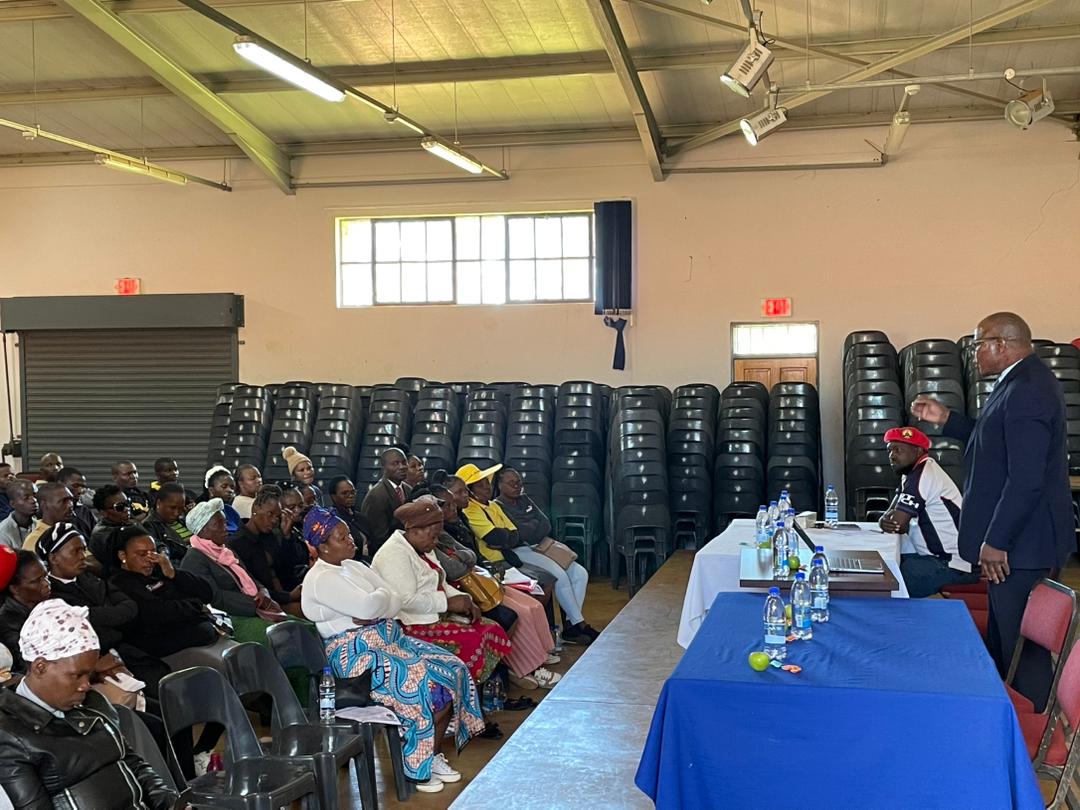
Recognising that pension reform affects every corner of the workforce, ENPF deliberately engaged a broad spectrum of stakeholders, ensuring that every sector has a voice in shaping the National Pension Fund.
Stakeholders consulted include public institutions, parastatals, private sector leaders, and labour organisations amongst others.
ENPF provided clear explanations of the proposed pension system, addressed concerns, answered questions, and invited feedback to inform final implementation. By engaging such a diverse and influential cross-section of Eswatini’s workforce ecosystem, ENPF ensured the conversion is understood, trusted, and strategically shaped by those who will participate in the new system.
Placing Members at the Centre
Alongside stakeholder outreach, ENPF has prioritised direct engagement with members, recognising that contributors must clearly understand how the reform affects their futures.
Through financial wellness platforms, public forums, and media engagements, ENPF explained the rationale for the conversion, addressed misconceptions, and clarified how the pension model differs from the existing provident structure. This approach reflects a commitment to transparency, trust, and informed participation.
Deepening the National Conversation Through Likhweti
ENPF has invested in sustained public education through Likhweti, a platform published in national newspapers to provide in-depth, accessible analysis of the conversion journey.
Likhweti allows complex aspects of the National Pension Fund, including its rationale, structure, safeguards, and long-term impact, to be unpacked thoughtfully. It serves as a bridge between policy and people, translating legislation into lived understanding, and creating a permanent public record of the reform’s values, reasoning, and intent.
Bringing the Conversation into Homes Through Telidlelantfongeni
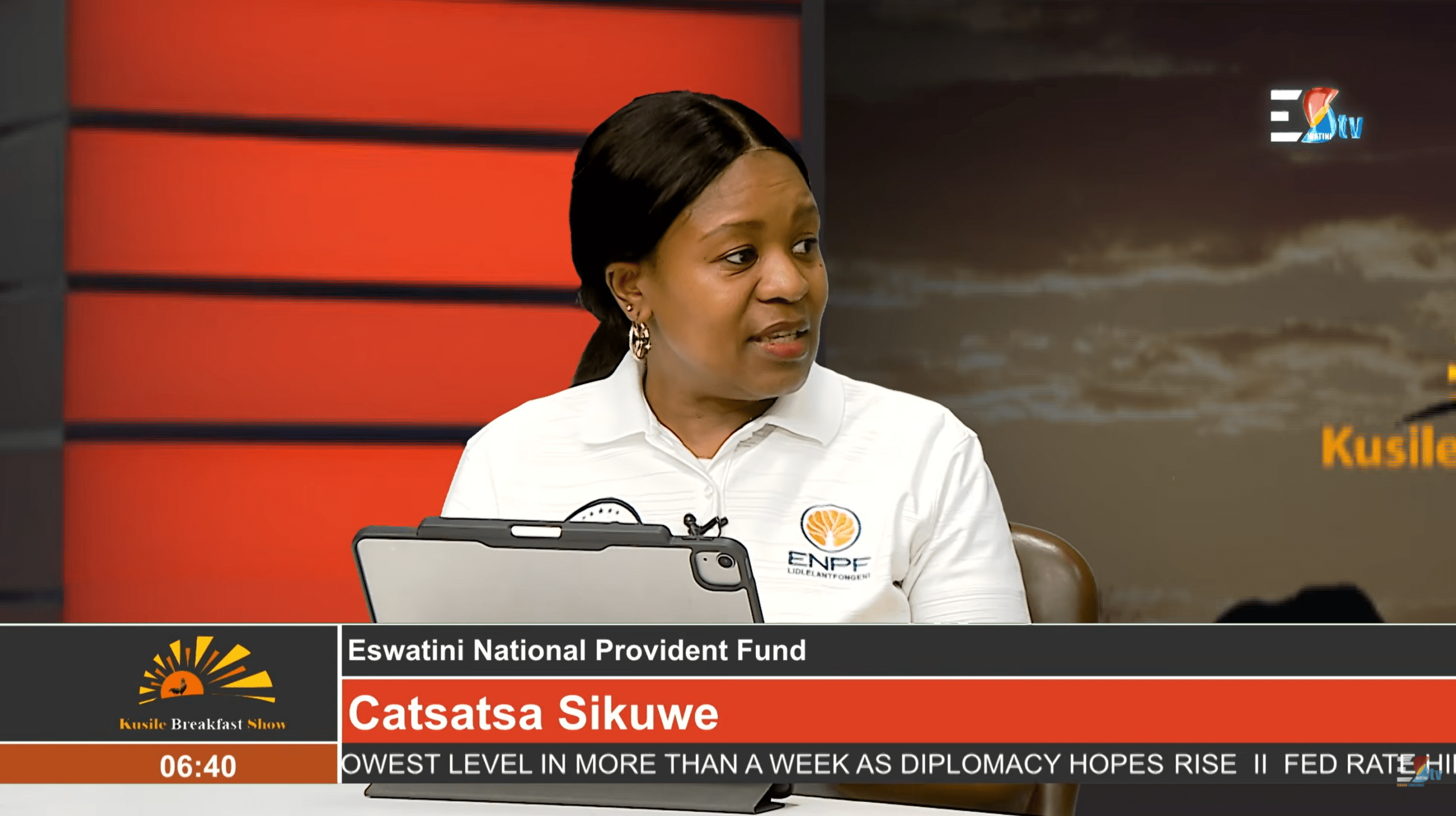
Complementing its print platform, ENPF has taken the conversion dialogue into homes through Telidlelantfongeni, its radio and television program. The program provides members with clear explanations, highlights how the reform affects contributors and retirees, and allows interactive engagement.
By combining Likhweti and Telidlelantfongeni, ENPF demonstrates a multi-platform, inclusive, and practical educational strategy, empowering members to engage with a reform that will shape their financial security for decades.
Regional and International Endorsement of Reform

The ENPF conversion has received broad continental and international support, reflecting confidence in Eswatini’s strategic leadership on social protection.
At the 6th Annual Africa Pension Funds and Retirement Summit, pension experts from across the continent endorsed the shift from provident to pension funds as a necessary step to extend retirement security, including coverage of informal and previously underserved sectors. ENPF’s CEO was a keynote speaker, sharing insights that resonated with policymakers and practitioners.
The International Social Security Association (ISSA) also praised the reform as a “giant step forward” in modernising social protection, confirming that Eswatini’s strategy is forward-looking, internationally respected, and aligned with global best practice.
Leadership That Listens
Throughout this journey, ENPF has shown that sustainable and strategic reform is built through dialogue. By engaging Cabinet, Parliament, stakeholders, employers, and members, the Fund has modelled institutional leadership grounded in consultation, education, and accountability.
Legitimacy is not conferred by legislation alone, but by the confidence and understanding of those whom the system is designed to serve.
A Legacy in the Making
As the National Pension Fund Bill continues its journey through Parliament, Eswatini finds itself shaping more than a retirement system. It is redefining its social contract, affirming that dignity in old age is not a privilege but a shared national responsibility.